Material Handling For Commercial Sites
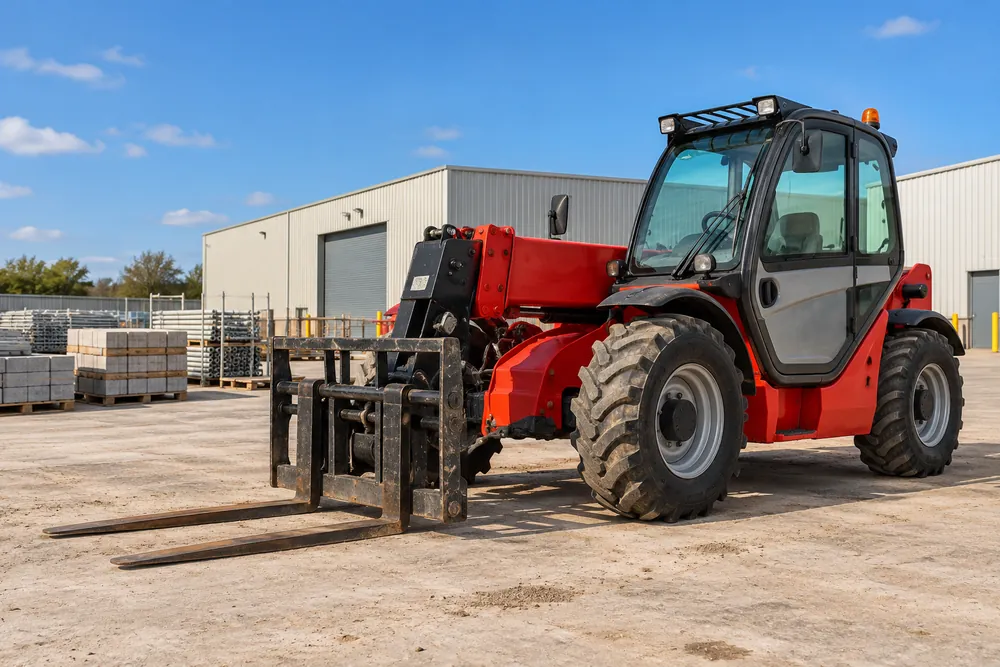
Telehandlers combine a mobile chassis with an extending boom and an approved attachment. They can support unloading, placing palletised materials and moving supplies within a controlled work area. Forks, buckets and lifting attachments each create different operating conditions and must be compatible with the machine.
Tell us what the material is, its verified weight and its packaging. An awkward or offset load can behave differently from a uniform pallet. Confirm the centre of gravity where it affects the lift, and include any stillage or attachment weight in the planning information.
Capacity At The Actual Reach
A telehandler maximum capacity does not apply at every boom angle and extension. The relevant load chart determines what can be lifted in the proposed configuration. Forward reach, placement height, attachment and any stabiliser arrangement must all match the chart used for planning.
Provide the horizontal distance from the machine standing position to the placement point. Include any edge protection, temporary works or storage that limits how close the machine can get. If the lift cannot be completed within the model limits, the plan needs different equipment or a different method.
Ground Visibility And Site Traffic
The route between unloading and placement needs suitable bearing strength and a controlled gradient. Soft spots, trenches and unstable edges can undermine a machine even where the load itself is within capacity. Keep pedestrians separate from vehicle movements and assess visibility with the intended load.
A trained signaller may be required where the operator cannot see the whole movement safely. Discuss reversing, turning areas, overhead services and nearby structures with the site team. The traffic plan should account for other contractors and deliveries, rather than assuming exclusive use of the yard.
Attachments And Suspended Loads
A hook or other lifting attachment changes the task and may bring extra planning, supervision and competence requirements. Suspended loads can swing and alter stability. They require a specific assessment and a compatible approved attachment, not an improvised sling around the forks.
A telehandler is not a substitute for a dedicated MEWP when people need to work at height. Ask about a purpose-designed access platform for that task. Any exceptional use of personnel platforms requires a separate specialist assessment and must follow the applicable HSE guidance.
What Affects Telehandler Hire Cost
Telehandler pricing depends on lifting capacity, placement height, forward reach, attachment and hire length. Site location, delivery restrictions and the transport needed for the machine also influence the quote. Operator provision, if requested and available, must be identified separately from equipment-only hire.
Ask who provides fuel, daily checks, maintenance support and any required lift planning. Confirm attachment availability and the applicable load charts before booking. Off-hire notice, collection arrangements and damage responsibilities should be written into the hire terms so the full scope is clear.
UK Duties And Safe Use
The Work at Height Regulations 2005 require suitable planning, supervision and competence where work at height is involved. PUWER 1998 covers suitability, maintenance and training for work equipment.
LOLER 1998 adds duties for lifting operations and examination. Agree who plans, supervises and carries out each part of the work. Equipment hire does not transfer all site responsibilities to a supplier.
For equipment-specific advice, read the HSE telehandler safety guidance. The final selection and safe system of work must reflect your site and the manufacturer’s instructions.
Planning Your Hire
Define The Load
Give the material weight, load dimensions, required attachment and the height and reach at the placement point.
Review The Lift
Match the proposed load chart, standing area, travel route and site traffic controls. Establish who plans and supervises the operation.
Receive And Brief
Check the machine and attachment on delivery. Confirm operator competence, familiarisation, inspection records and the agreed limits before work begins.
Telehandler Hire Questions
Is Telehandler Capacity The Same At Every Reach?
Telehandler capacity changes with boom extension, angle and configuration. The rated maximum is not a promise that the machine can place that weight at full reach. Use the correct load chart for the proposed attachment and stabiliser position, and include the load dimensions and centre of gravity when planning the work.
Can I Hire Telehandler Attachments?
Telehandler attachments can be included in an enquiry, subject to compatibility and availability. Name the attachment and describe the load and operation. The quotation should identify the equipment proposed and any altered load chart or competence requirements, especially where a suspended load or unusual material handling task is involved.
Keep Planning Your Job
Compare access platform options, check Bristol area coverage or describe your Bristol access job.